
This article was updated in June 2026 with additional information from 2015.
Securing Transactions When Shopping Online
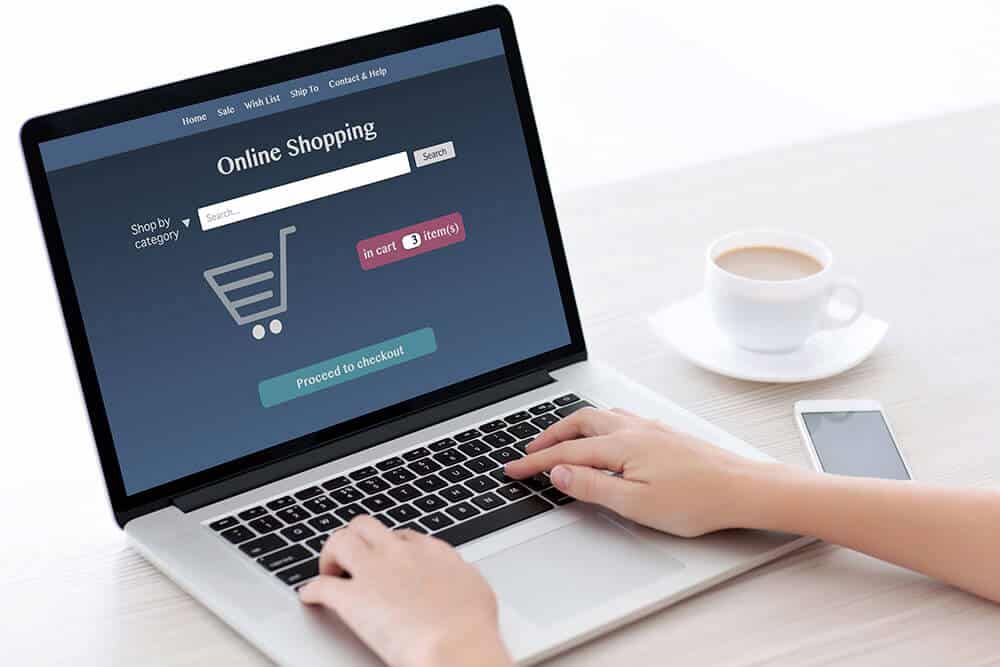
As technology quickly progresses, our shopping habits are evolving in new ways as well. More of us are forgoing trips to the mall in favor of shopping while at home or on the go. Motivated by convenience, easy price comparisons and wider variety, we are increasingly shopping online from our computers, tablets and mobile phones.
In spite of this shift, many consumers remain hesitant to make purchases online because of concerns about online security. According to Deloitte, 51 percent of shoppers are more concerned about the online protection of their personal data than one year ago. Following the Target and Home Depot breaches, more consumers have become smarter about the risk of their information falling into the wrong hands – but what are they doing about it?
As people who spend a large part of our waking hours online, we need to take steps to educate ourselves, swap our bad habits for good ones and take back control. In light of this, here are four tips to protect yourself while shopping online, no matter your device of choice:
- Connect with secure wi-fi or switch on your device’s data network. One of the biggest mistakes people make is doing their online shopping using a public wi-fi network. There’s nothing wrong with bolstering your wardrobe while relaxing at the local Starbucks but just make sure, you’re on a secure network before entering any personal or financial information.
- Don’t store credit cards in browsers or online accounts. Filling out those online shopping cart forms may seem tedious, but don’t give in to the sites that offer to store your information for future purchases. You’re only trading in security for convenience. Either fill out that information each time you make a purchase or take advantage of a digital wallet. CyberFOX’ digital wallet securely stores your credit card and personal information, encrypts it with bank-grade security and then automatically enters it all when you’re checking out.
- Look for locked HTTPS connection. You should never enter your information into a non-HTTPS site. Most browsers will display this in the URL field. For example, if there’s a green padlock in your browser’s URL field, you are on a secure HTTPS site. If there’s a red ‘X’ in that field, you know that your data is not secure.
- Monitor your credit card and bank statements. While there are many strategies and tools that help you prevent the theft of your personal information, hackers are becoming more sophisticated. But if you’re continuously aware of your financial activity, you will be able to detect any unusual transactions early on. Don’t just rely on your banks and credit card companies to do the monitoring for you. Some free tools that are useful for keeping tabs on your finances include Mint and Money Dashboard.
By following these tips, you’ll be one step closer toward having greater control over your online information while taking advantage of the conveniences that online shopping offers. Make 2015 the year you change your security habits for the better.
According to Business Insider, some of the most significant cyberattacks of 2015 impacted organizations across government, ecommerce, healthcare, telecommunications, and consumer services. These incidents demonstrated that no industry was immune to cyber risk and highlighted how a single security weakness can lead to widespread consequences.
What made many of these breaches particularly concerning was not just the volume of data exposed, but how the attacks unfolded. In case after case, threat actors gained access to sensitive information, remained undetected for extended periods, and exploited weaknesses in identity security, access controls, and monitoring processes.
As a result, these incidents became important lessons for organizations looking to strengthen their cybersecurity posture. They revealed common gaps in security infrastructures and reinforced the need to continuously review who has access to critical systems, how privileged accounts are managed, and how quickly suspicious activity can be identified and investigated.
While the threat landscape has evolved considerably since 2015, the underlying lessons remain relevant today. By taking a proactive approach to identity security, privileged access management, least-privilege enforcement, and continuous monitoring, organizations can better reduce risk and improve their resilience against modern cyber threats. This is where solutions such as CyberFOX PAM and CyberFOX AutoElevate can help organizations strengthen control over privileged access while supporting a more secure operational environment.
Resources:
The Worst Cyberattacks of 2015 – Business Insider
ECommerce Attacks 2015
Online Fraud Attacks 2015